This paper elaborates the end-to-end breakbulk maritime shipping workflow for heavy-duty generator sets, divided into five core segments: space booking, pre-port preparation, terminal handling & lifting, vessel loading finalization, and documentary administration. It identifies operational risks, standardized workflows and corresponding control measures for each stage, addressing prevalent pain points including volatile breakbulk vessel schedules, dimensional measurement deviations, cargo damage during lifting, volumetric discrepancies on bills of lading (B/L), and documentary non-compliance under letters of credit (L/C). The protocols are applicable to heavy-lift breakbulk export logistics covering the Middle East, Europe, Africa, Brazil, Southeast Asia, Australia and all other global trade destinations.
Standardized Breakbulk Shipping Procedures for Generator Set Heavy-Duty Equipment

Booking Phase, Secure Vessel Space & Schedules to Preempt Freight Disputes Over Volumetric Charges
Key Risks
Inaccurate declaration of cargo length, width, height and deadweight gives rise to substantial freight surcharges when terminal gauging records exceed submitted figures. Unlike liner vessels with fixed rotations, breakbulk carriers operate on irregular schedules; misalignment between production delivery timelines and vessel windows leads to cargo congestion and prolonged storage at terminals.
Standardized Control Protocols
1.Conduct full physical measurement of each generator set to capture precise overall dimensions and deadweight prior to dispatch. All quotation, space reservation and schedule confirmation shall be based on verified actual readings. Estimated provisional figures are prohibited for booking to eliminate surcharges stemming from volumetric or weight mismatches.
2.In view of the non-scheduled nature of breakbulk services, finalize shipment plans 15 to 20 working days in advance. Coordinate closely with carriers to lock loading ports and embarkation windows, and align factory production and delivery milestones with confirmed vessel schedules to avoid idle waiting of cargo for vessels and vice versa.
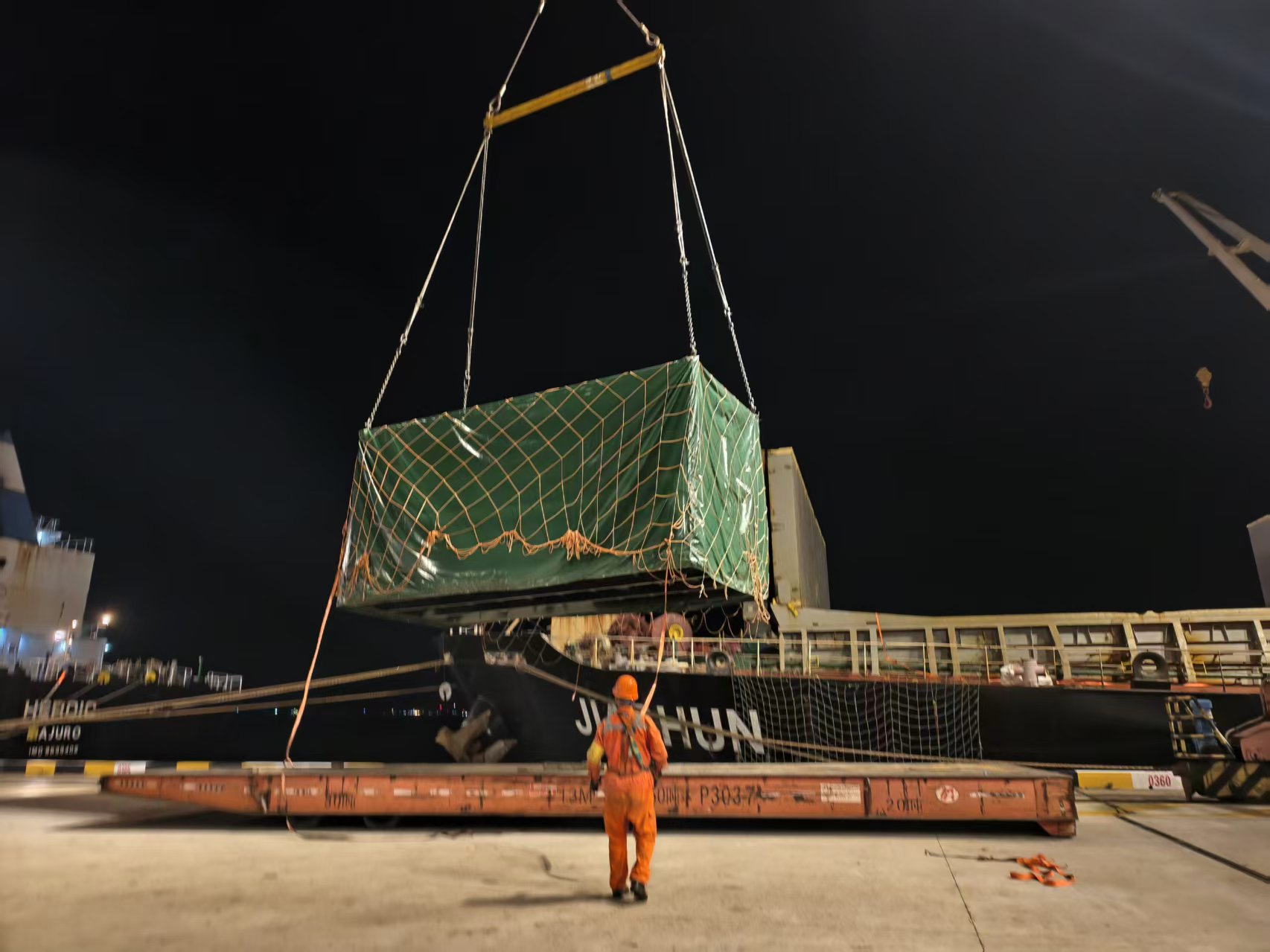
Pre-Port Preparation Phase, Standardize Declaration of Cargo Quantities & Dimensions and Complete Terminal Advance Notification
Key Risks
Discrepancies between equipment quantities and dimensions submitted by manufacturers and initial booking data create inconsistent terminal entry records. Terminals conduct gauging based on on-site physical units, which may trigger unexpected excess freight fees. The absence of loading footage and clearly marked lifting lugs deprives terminal stevedores of operational references, increasing risks of collision and misaligned lifting positions. Incomplete driver documentation also delays port entry and berth-side unloading arrangements.
Standardized Control Protocols
1.Mandate standardized advance notification forms filled out by manufacturers. Any alteration to the actual outer dimensions of generator sets must be updated to terminals immediately. All terminal gauging shall reference the latest verified measurements to achieve uniform data across three parties: booking records, factory declarations and terminal measurement reports.
2.Capture complete photo and video archives after full truck loading. Label designated certified lifting lugs prominently on equipment to guide standardized lifting operations by terminal crews. Submit full driver documentation to terminals beforehand to streamline port access and berth unloading workflows.
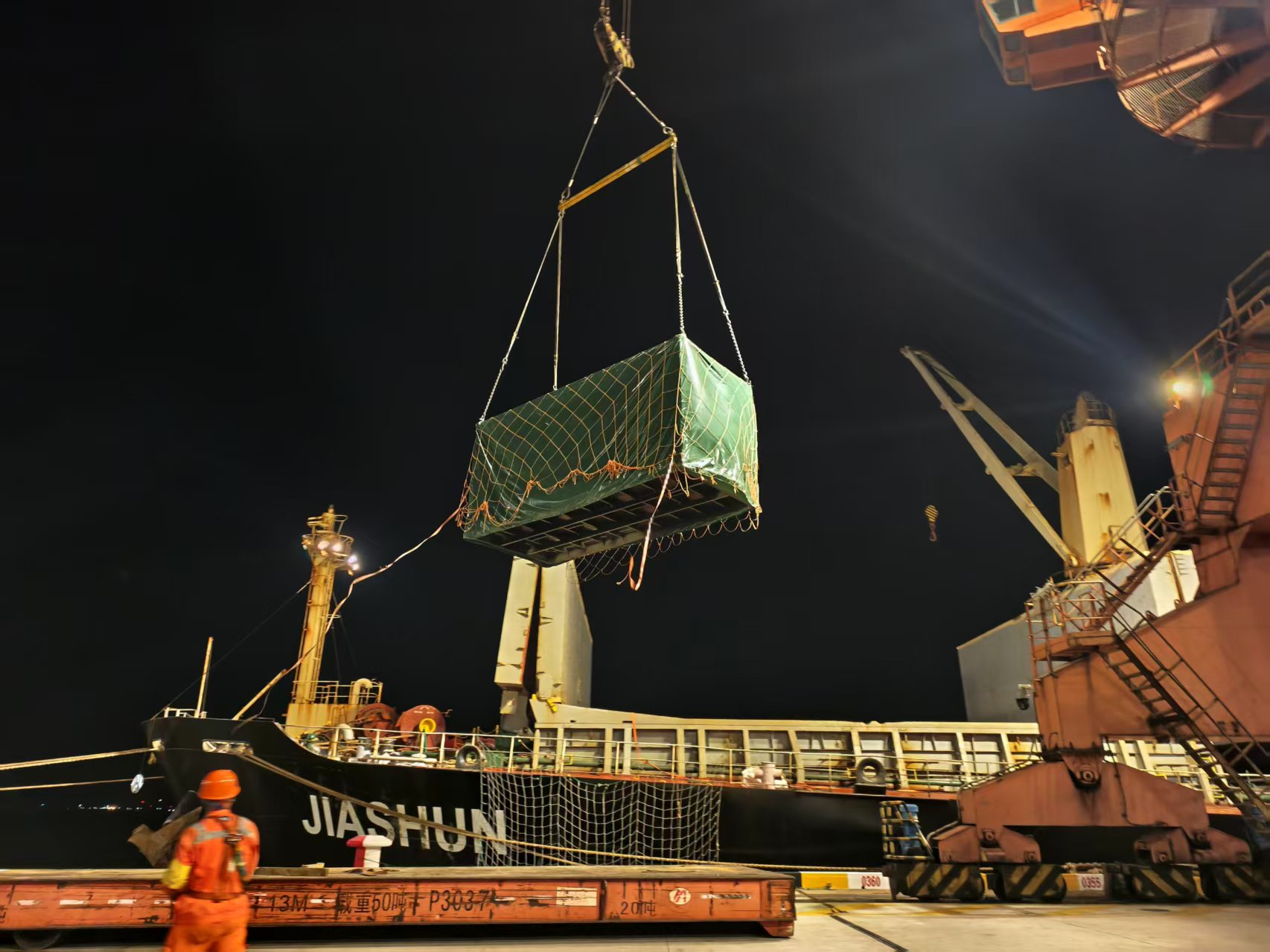
Terminal Handling & Lifting Phase, Cross-Verify Third-Party Gauging Reports and Inspect Outer Packaging On-Site
Key Risks
Excessive volumetric deviations in official third-party gauging reports trigger freight disputes. Terminals conventionally measure only one unit per batch for uniform volumetric calculation, which fails to detect dimensional inconsistencies across multiple generator sets in the same consignment. Torn outer protective nets and wrappers lead to dents, collisions and loose components during lifting and yard storage; without on-site visual records, liability for damage cannot be clearly assigned.
Standardized Control Protocols
1.Breakbulk cargo volumetric certification is issued by accredited third-party surveyors. Cross-check survey data against original declared dimensions immediately upon receipt. Submit requests for re-survey without delay if mismatches emerge, inform clients of associated re-measurement charges upfront and obtain written cost confirmation to prevent subsequent billing conflicts.
2.Clarify terminal operational rules: terminals adopt single-unit sampling gauging by default for batch shipments. If generator sets within one batch feature variant dimensions, notify terminals in advance to request separate individual gauging for every unit, eliminating freight errors caused by averaged volumetric calculations.
3.Conduct on-ground inspections after cargo arrives at terminals to examine the integrity of outer protective nets and wrappers unit by unit. Capture photos and video footage for centralized archiving, proactively identifying packaging defects to mitigate mechanical damage risks during lifting.
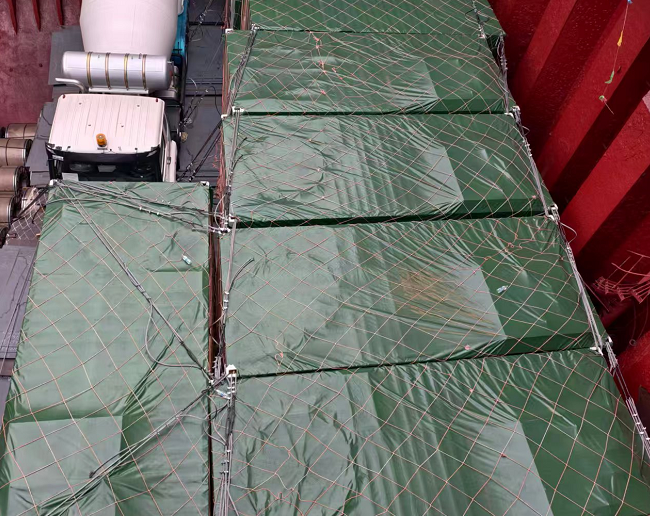
Vessel Loading Phase, Verify Cargo Stowage Conditions On-Board
Key Risks
Cargo collision and displacement occur during lifting and hold stowage with no supporting visual evidence. In the event of damage discovered upon discharge at destination ports, it becomes impossible to distinguish liability between terminal lifting operations, ocean transit and port discharge activities.
Standardized Control Protocols
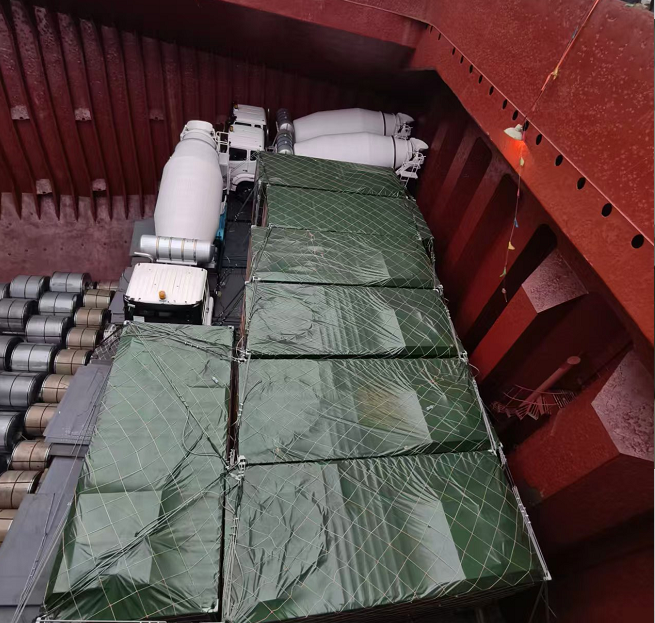
Upon completion of lifting and secured stowage inside vessel holds, take comprehensive sequential photos and full-length video footage covering the entire loading process as well as fixed stowage positions. Re-inspect the intactness of outer packaging and complete equipment bodies a second time. Share all on-site visual archives with clients while retaining internal centralized records to form a fully traceable evidence chain.
Document Administration Phase, Comply with Letter of Credit Clauses and Unify Volumetric & Embarkation Dates on Bills of Lading
Key Risks
Non-compliance of bills of lading, carrier certificates and other documents with L/C terms results in bank payment rejection. Large gaps between provisional declared volumes on default B/L and actual surveyed volumes cause customs clearance delays or fines at destination ports. Incorrect embarkation dates stated on B/L disrupt clients’ customs clearance and foreign exchange collection procedures.
Standardized Control Protocols
1.For shipments settled under letters of credit, cross-check every clause line-by-line when drafting drafts of bills of lading and carrier certificates to achieve full document consistency and eliminate discrepancies, enabling smooth presentation and payment collection via banks for clients.
2.Breakbulk carriers issue B/L reflecting initial provisional declared volumes by default. Where substantial divergence exists between provisional figures and post-loading survey volumes, proactively liaise with carriers to amend B/L volumetric data to actual surveyed measurements, aligning shipping documentation with destination customs filing records.
3.Enforce unified documentary time standards: the issue date printed on breakbulk bills of lading shall match the actual vessel loading date to guarantee authentic and compliant B/L issuance, meeting regulatory requirements for customs clearance, export tax rebates and foreign exchange supervision in both origin and destination jurisdictions.

Your Most Concerned Question Is as Follows
- 106. 7 mandatory declaration elements for vehicle export clearance?Discover the 7 mandatory declaration elements for vehicle export clearance. Learn crucial details like vehicle brand, engine type, and VIN accuracy, and understand conditions that may prohibit export.
- 105. How to get a vehicle export licence and what application conditions apply?Apply for vehicle export licences via the Ministry of Commerce platform. Used vehicles: one licence per consignment. New & NEVs: annual or batch applications. Licence info must match VIN, model and year. Exporters need valid qualifications; used vehicle firms also need filing. Licence data must match registration papers, and the correct commodity code is required.
- 104. What preparations are needed for clearance once the vehicle arrives at the destination port?Prepare for vehicle customs clearance at the destination port. Discover the necessary documents like commercial invoice, packing list, certificate of origin, and country-specific certifications (PVOC/COC).
- 103. Which documents are essential for the customs declaration of vehicle exports?Understand the vital documents needed for vehicle export customs declaration. Learn about export licenses, commercial invoices, packing lists, bills of lading, and other essential forms.
Is Your Equipment Situation More Complex?