Cultivating Deep Links, Bloom Delivers.

Standardized Ro-Ro Shipping Procedures for Electric Buses

Standard Operation and Risk Prevention Mechanism for Electric Bus Ro-Ro Maritime Export
Home / Standardized RoRo Shipping Procedures for Electric Buses

Booking Phase, Strict Dimensional Tolerance Control to Prevent Cost Overruns at Source

Key Risks

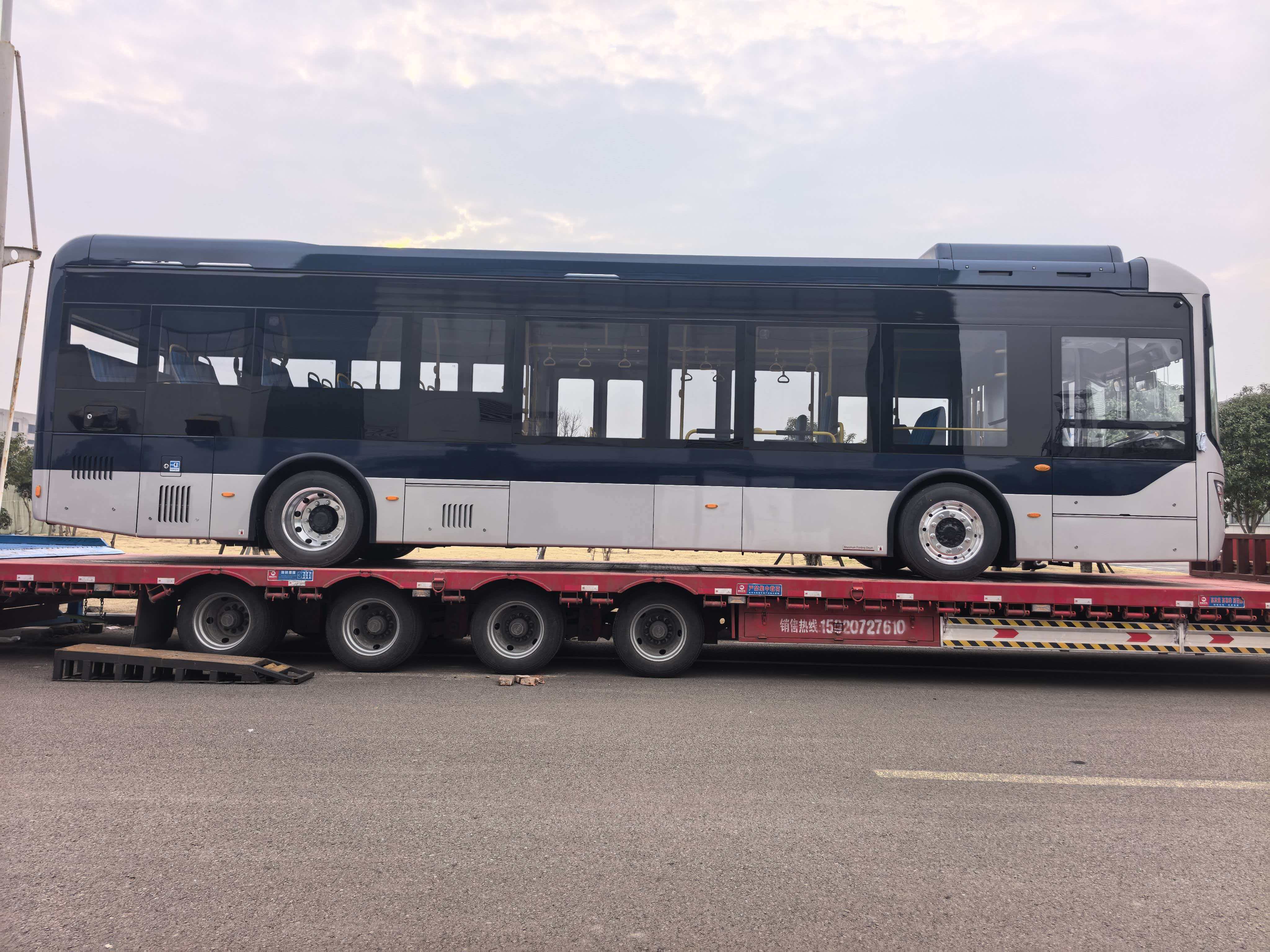
Incomplete recording of vehicle overall dimensions with protruding components such as side mirrors, external antennas and rooftop air conditioning units overlooked. Discrepancies between declared booking dimensions and terminal measured dimensions will trigger additional space surcharges or vessel rejection, resulting in unplanned logistics cost escalation.

Standardized Control Protocols

Conduct full-scope physical measurement covering the main vehicle body, side rearview mirrors, external antennas, rooftop air-conditioners and all other outward protruding fittings. All quotations and space bookings shall be formulated based on verified actual measured dimensions.

Pre-Port Preparation Phase, Archive Original Vehicle Condition Records to Align Physical Units with Shipping Documents

Key Risks

Mismatches between vehicle nameplate data and customs declaration documents, absence of traceable original vehicle records leading to customs detention during physical inspection; inconsistent VIN codes or manufacturing dates between physical vehicles and supporting paperwork; lack of baseline evidence for liability delineation in cargo damage claims.

Standardized Control Protocols

1.Permanent Documentation Archiving Prior to factory truck dispatch, capture high-resolution photographs of vehicle nameplates to record core traceable information including brand, model, unique VIN and production date. Supplementary full-body four-angle exterior shots (front, rear, left, right) and real-time state-of-charge (SoC) dashboard readings shall be retained to establish baseline vehicle condition files for clear liability attribution.


2.Rigorous Validation of Customs Documentation All data entered into customs filings, including vehicle brand, model, VIN and export permits, shall be cross-referenced one-to-one against physical nameplate markings. Blind data entry based on historical vehicle models or configuration datasheets is prohibited to eliminate document-vehicle inconsistencies and mitigate risks of customs rejection or cargo detention upon manual inspection.
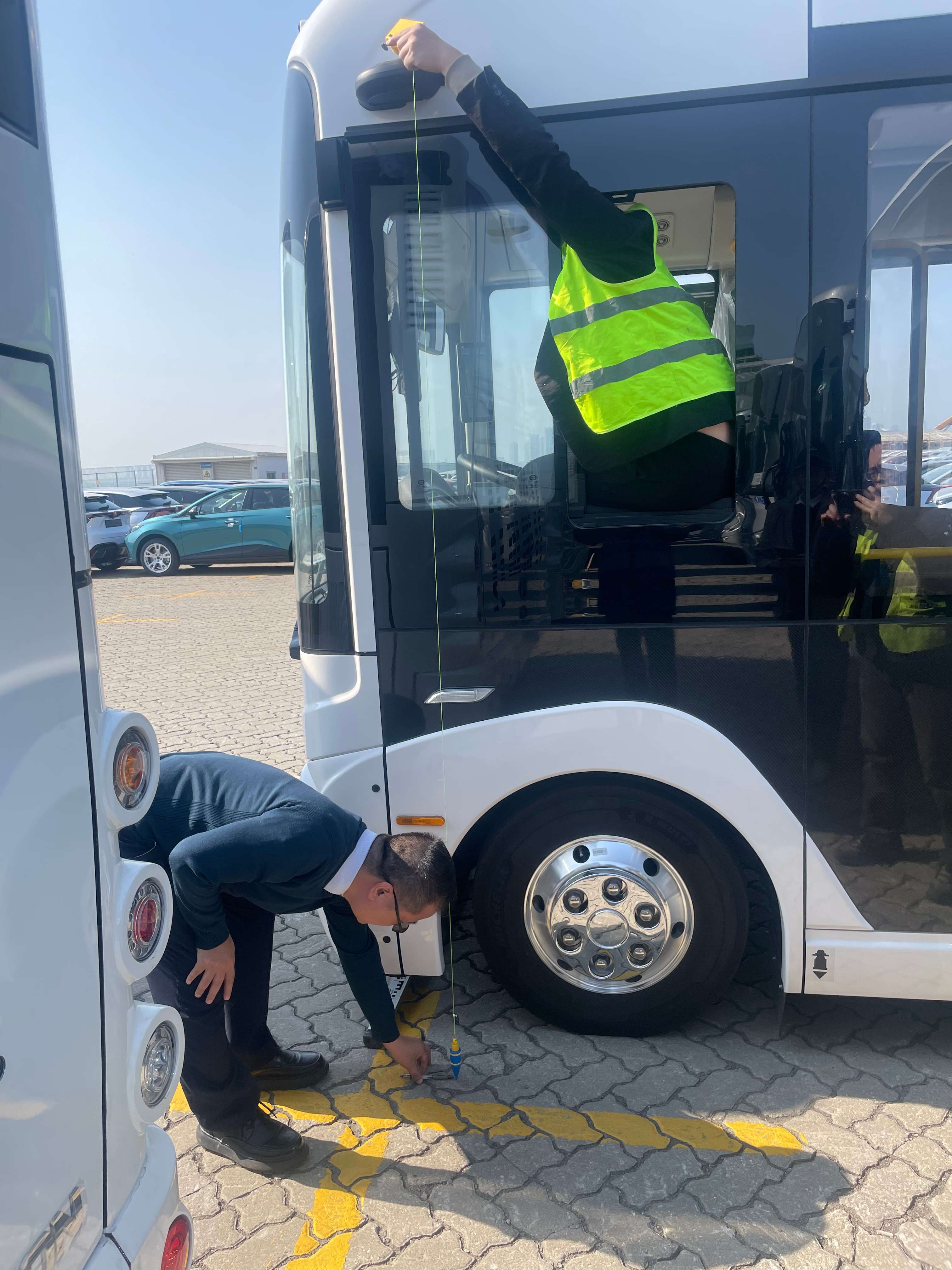
Terminal Operations & Loading Supervision Phase, Regulate Metrics and Eliminate Power Depletion Malfunctions During Long-Voyage Maritime Transit

Key Risks

Cost fluctuations arising from dimensional measurement deviations at terminals; drained low-voltage auxiliary batteries, overcharged or undercharged traction batteries (optimal state-of-charge capped at 50%), odometer readings exceeding 100 km, and unresolved factory transport lock modes that render vehicles incapable of self-propelling on and off ro-ro vessels. Continuous self-diagnosis by on-board vehicle systems and standby GPS modules drain power during lengthy ocean voyages, leaving vehicles immobilized upon arrival at destination ports.

Standardized Control Protocols

1.Terminal Dimensional Measurement Reconciliation Cross-check terminal measurement data against booking dimensions immediately upon receipt of official readings. Resolve anomalies and disputes expeditiously with on-site dedicated supervisors arranged for secondary re-measurement where necessary. No signature shall be affixed to terminal measurement receipts prior to full reconciliation to avoid unresolved disputes.


2.Full-Vehicle Power Pre-Inspection Prior to Stowage Complete comprehensive powered functional testing one working day before vessel loading, verifying full operability of ignition, gear shifting, steering and door mechanisms. Three high-frequency failure points are subject to priority inspection: traction battery SoC maintained at a recommended 48% for long-distance deep-sea voyages, fully charged 12V auxiliary batteries, and full deactivation of factory transport lock modes to guarantee self-propulsion for vessel embarkation and disembarkation.


3.Power Isolation Protection Prior to Vessel Departure After passing full vehicle inspection and positioning in designated stowage bays, cut off the master power supply per official OEM operating specifications to disable continuous on-board system self-diagnostics and standby GPS power draw. This fundamental measure prevents spontaneous auxiliary battery depletion over extended ocean transit and ensures drivability at destination discharge.

Formal Vessel Stowage Phase, Vehicle Protection Measures in Cargo Holds

Key Risks

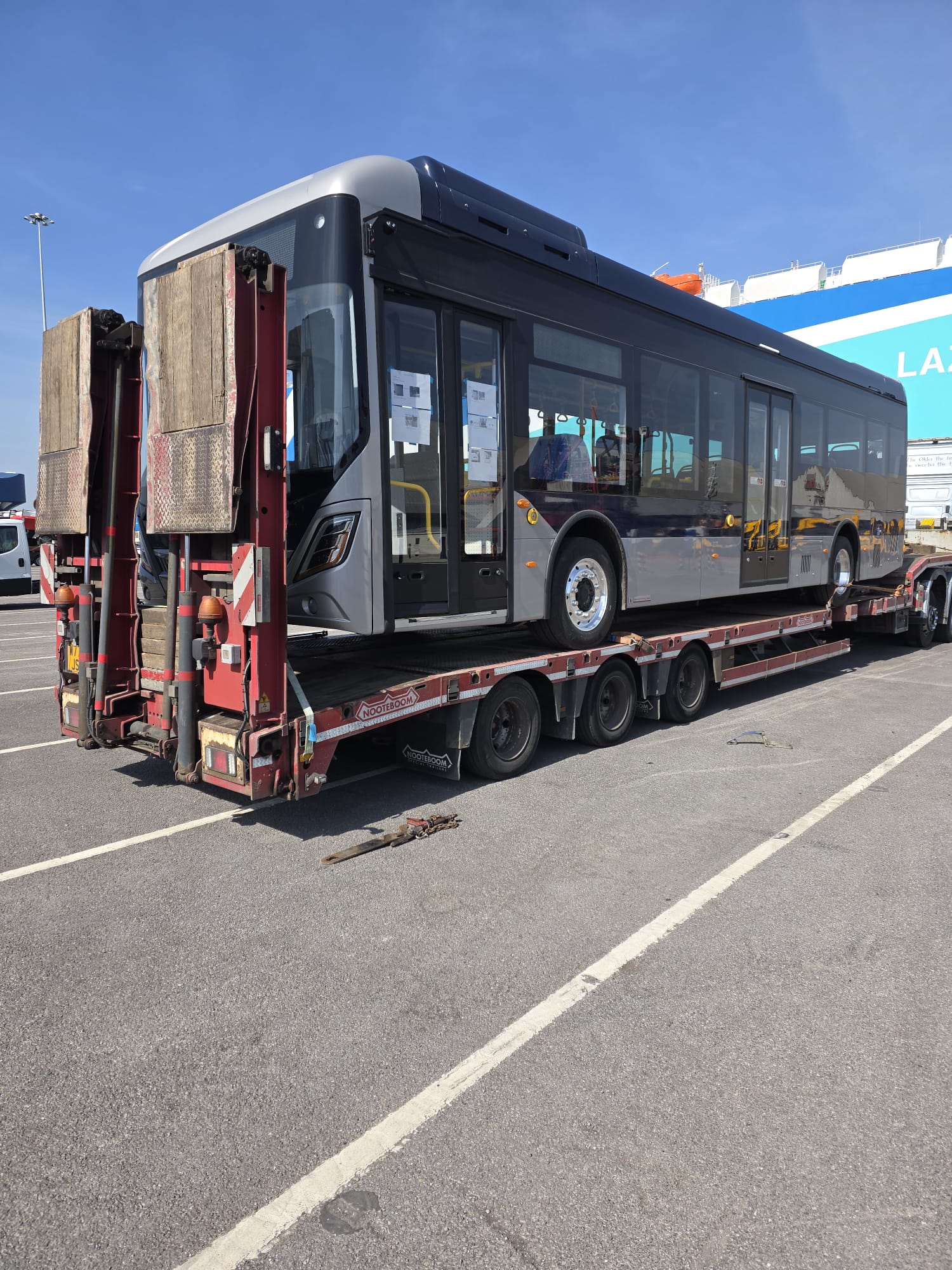
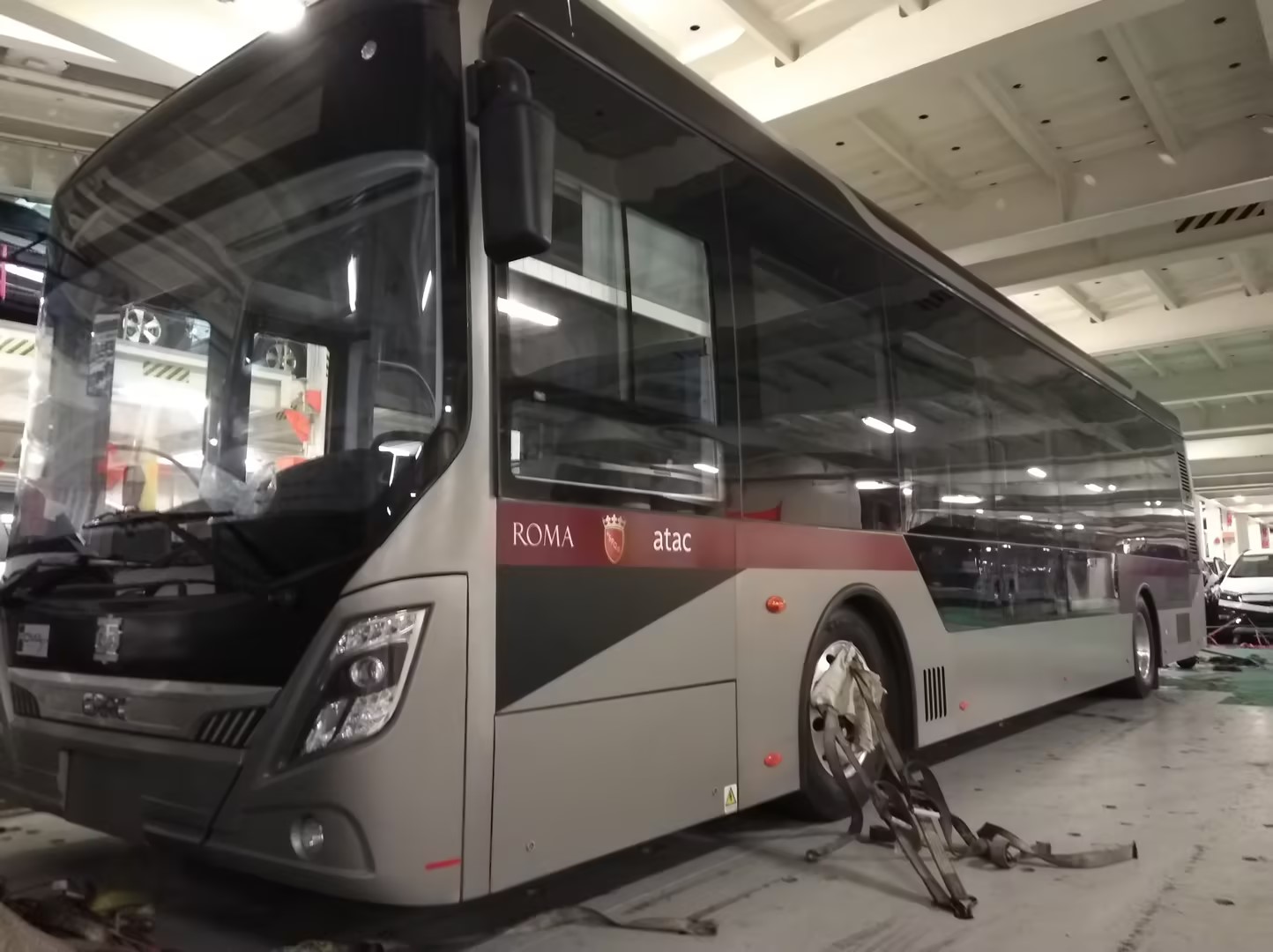
Inadequate vehicle securing within cargo holds, leading to positional shifting and collision damage caused by vessel rolling and pitching at sea.

Standardized Control Protocols

Upon vehicle positioning in designated hold bays, deploy wheel chocks on all four tires and maintain designated safety gaps between adjacent stowed vehicles.

Your Most Concerned Question Is as Follows

  • 106. 7 mandatory declaration elements for vehicle export clearance?
    Discover the 7 mandatory declaration elements for vehicle export clearance. Learn crucial details like vehicle brand, engine type, and VIN accuracy, and understand conditions that may prohibit export.
  • 105. How to get a vehicle export licence and what application conditions apply?
    Apply for vehicle export licences via the Ministry of Commerce platform. Used vehicles: one licence per consignment. New & NEVs: annual or batch applications. Licence info must match VIN, model and year. Exporters need valid qualifications; used vehicle firms also need filing. Licence data must match registration papers, and the correct commodity code is required.
  • 104. What preparations are needed for clearance once the vehicle arrives at the destination port?
    Prepare for vehicle customs clearance at the destination port. Discover the necessary documents like commercial invoice, packing list, certificate of origin, and country-specific certifications (PVOC/COC).
  • 103. Which documents are essential for the customs declaration of vehicle exports?
    Understand the vital documents needed for vehicle export customs declaration. Learn about export licenses, commercial invoices, packing lists, bills of lading, and other essential forms.

Is Your Equipment Situation More Complex?

Cultivating Deep Links, Bloom Delivers.