Cultivating Deep Links, Bloom Delivers.
Home / All / Energy Equipment Transportation Case Studies / UAE Generator‑set Export Project: Resolving Port Disruption Crisis and Avoiding L/C Rejection Risk on Large‑Scale Energy Project Cargo
UAE Generator‑set Export Project: Resolving Port Disruption Crisis and Avoiding L/C Rejection Risk on Large‑Scale Energy Project Cargo
UAE Generator‑set Export Project: Resolving Port Disruption Crisis and Avoiding L/C Rejection Risk on Large‑Scale Energy Project Cargo
The Middle East market creates substantial demand for heavy‑duty power generation equipment, yet exporting large containerized generator‑sets brings multiple logistics challenges. Oversized and special‑structured cargo is vulnerable to physical damage from bumping, vibration and harsh maritime weather during transit. Meanwhile, L/C‑based payment imposes strict deadlines for document presentation; unexpected port disruptions may trigger shipping delays and raise the threat of bank non‑payment, which could lead to severe financial losses for exporters. This logistics case study of the UAE 1250kVA containerized diesel generator‑set export project illustrates targeted cargo protection measures and full‑set emergency L/C documentary handling. It shows how to mitigate equipment damage risks and secure compliant presentation within the L/C validity window for energy infrastructure cargo. This real-world case aligns with our energy-equipment full-chain delivery process for large-scale project shipments.
—— THE CHALLENGE
Grille‑Equipment Protection & L/C Risk from Shipping Delays
Special equipment structure and high protection difficulty
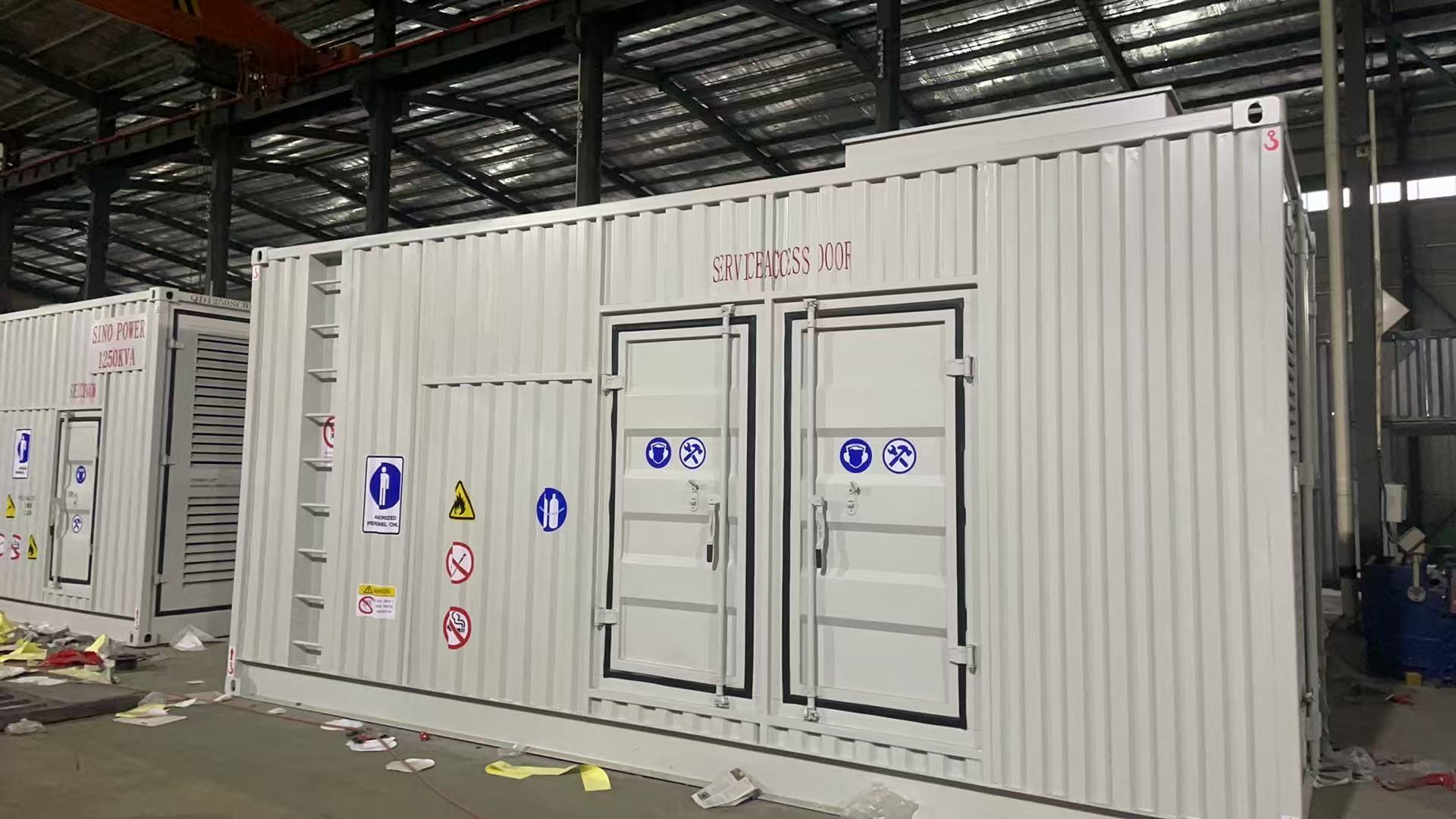
The containerized diesel generator set is not a fully sealed container. Two of its exterior surfaces are grille panels. During transportation, jolting, impact or severe weather can easily cause damage to internal components or abrasion of the paint finish; dedicated protection must therefore be completed before shipment.For such oversized assets, please review our OOG (out-of-gauge) flat-rack transport guidance.
Stringent letter of credit terms: a vessel schedule delay equals the risk of refusal of payment
Payment was made by letter of credit, and the client imposed strict requirements on delivery time. A blizzard suspended terminal operations at Rizhao Port; the cargo could not be lifted on board on schedule, and the vessel's departure was postponed. If presentation of documents was not completed within the validity period of the letter of credit, discrepancies would arise, the bank would be entitled to refuse payment, and the client could face the risk of losing both the goods and the payment.
—— THE SOLUTION
Targeted Logistics Measures & Emergency Response Plan
(1) Upgraded Pre-Shipment Protection
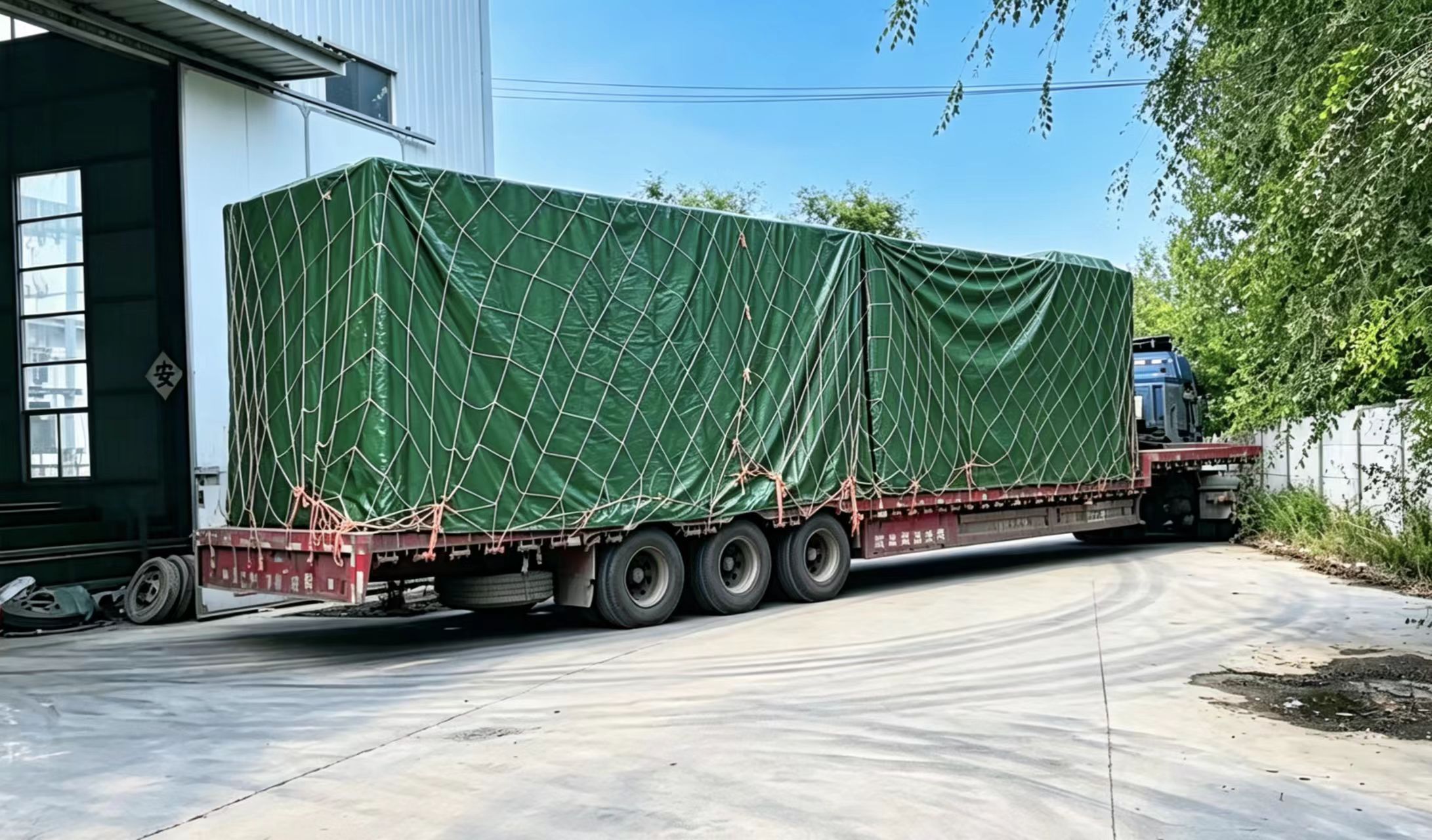
Custom rain covers and cargo nets were ordered in advance, and three-tier protection was applied to the grille panels:
First layer: full-coverage application of protective film;
Second layer: wrapping with three layers of high-strength bubble film;
Third layer: securing with PP strapping in a 45° cross-lashing pattern.
This effectively prevents loosening of the packaging, deformation of the grilles, or ingress of water into the interior during transit.
(2) Detailed Terminal Protection
After the cargo arrived at the terminal, secondary reinforcement was added on top of the standard securing:
The rain cover and cargo net were tightened and secured diagonally;
A comprehensive inspection of the integrity of the outer packaging was carried out to avoid scratches to the paint finish or structural damage;
The shipping line was successfully coordinated with to give the equipment priority stowage in the mid-hold position (away from the hatch), and a waterproof tarpaulin was laid over the top of the equipment, providing dual protection against the risks of condensation inside the hold and rainwater ingress.
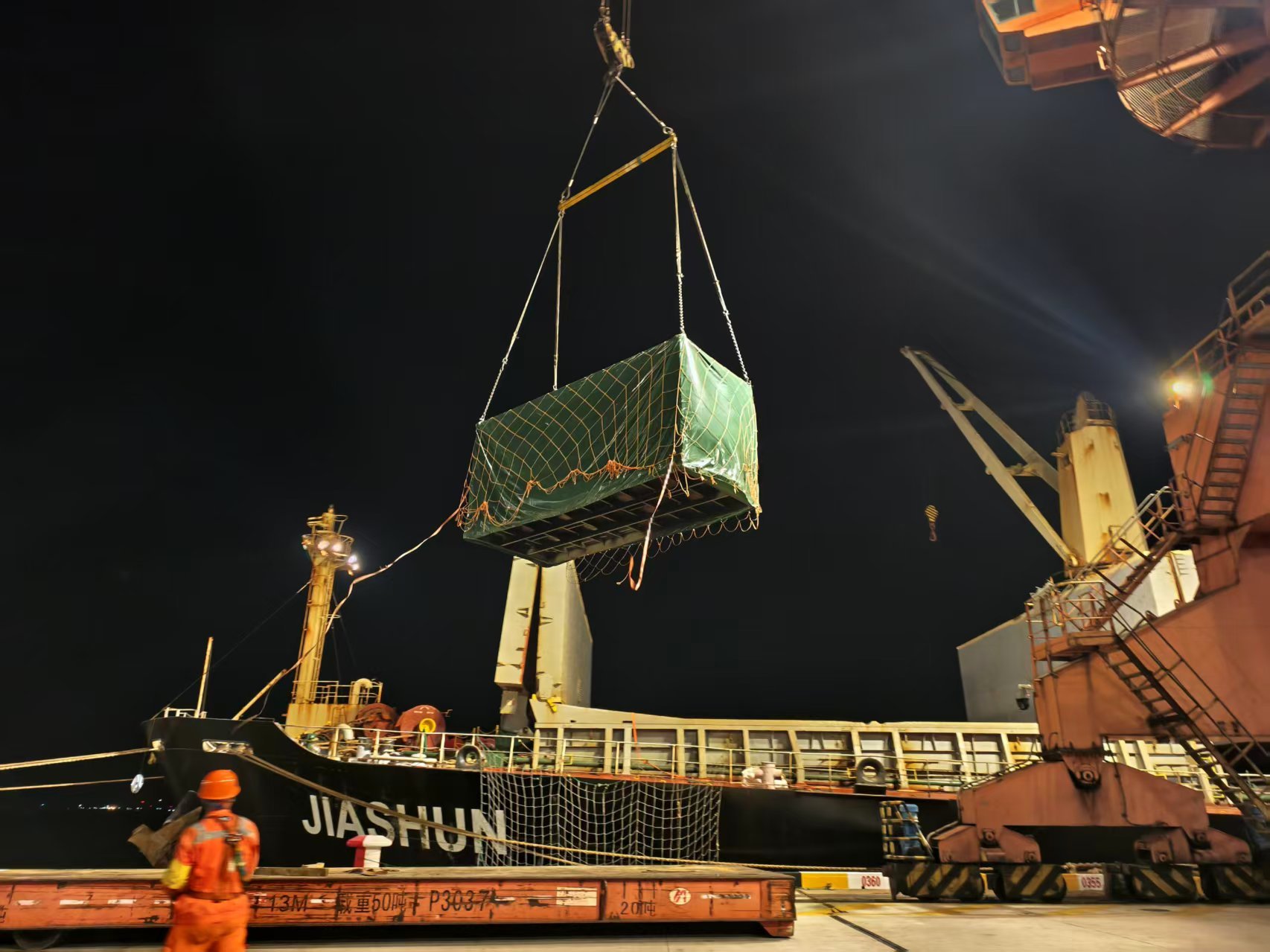
(3) Full-Process Control of Lifting Operations
• Before lifting, a structural force analysis of the generator set was carried out jointly with the factory's engineers;
• Four bottom lifting points were determined using professional lifting equipment, and force testing was completed to confirm structural stability;
• Four bottom lifting points were determined using professional lifting equipment, and force testing was completed to confirm structural stability;

(4) Contingency Plan for the Letter of Credit and Vessel Schedule
Because the vessel schedule delay left less than 72 hours remaining before the expiry of the letter of credit, the "dual-channel presentation" contingency plan was immediately activated:
On one hand, the shipping line was coordinated with to give priority to lifting our equipment, and a special application was made for expedited issuance of the original bill of lading and vessel certificate;
On the other hand, electronic scanned copies of the full set of documents were simultaneously sent to the designated mailbox of the issuing bank to request electronic pre-review and to identify potential discrepancies in advance;
This ultimately ensured that compliant presentation of documents was completed before the deadline of the letter of credit, avoiding refusal of payment by the bank.
Multi-dimensional screening in booking:
Screen more than three break bulk shipping lines with experience in transporting large equipment and a vessel schedule punctuality rate of ≥90%. In addition to punctuality rate and transportation experience, an "emergency support capability" assessment item is added; the vessel schedule delay records for the route over the past six months are compared, the best overall performer is selected, and a Transport Agreement is signed. The agreement expressly stipulates that, in the event of force majeure or interruption of port operations, an application may be made to postpone the deadline for port entry and document preparation, effectively avoiding high dead freight charges.
Full-chain real-time monitoring:
Establish an all-node monitoring system covering "factory packaging → inland transportation → terminal reinforcement → lifting → departure → voyage → discharge at the port of discharge", assign dedicated one-to-one service personnel, and synchronize the equipment status to the client on a daily basis to improve delivery certainty.For urgent spare-parts replenishment during project execution, evaluate air-freight or international courier as emergency backup channels.
Advance coordination at the port of discharge:
Send the equipment dimensions, weight, lifting requirements and customs clearance documents to the agent at the port of discharge in advance, ensuring that customs clearance and inland transportation commence immediately upon the cargo's arrival at the port, thereby compressing the overall delivery cycle.
"When our UAE generatorset export project fell into crisis due to port suspension and tight L/C expiry, your robust contingency plan and rapid crossfunctional response helped us avert the risk of L/C nonpayment. You are not only experienced in heavyduty energy equipment logistics, but also excel at specialcargo packaging protection and documentary risk management."
★★★★★
Client Project Manager
Do You Have Similar Needs? One-Stop Solution.
If you have power‑generation equipment or oversized project cargo planned for shipment to Middle East and African markets,
our project logistics team can provide feasibility assessment and a custom‑built solution for cargo safeguarding,
emergency shipping handling and documentary risk mitigation.
Any questions?
Our experts are ready to help. Get in touch, and we’ll find the solution you need.Cultivating Deep Links, Bloom Delivers.