
1. What Is Standard Container FCL (Full Container Load) Shipping?
FCL stands for Full Container Load, referring to the shipment of a full standard container. It is the most prevalent ocean shipping mode in international trade, in which the shipper has exclusive use of an entire standard container to move the cargo. Loading and discharge are performed on a lift-on/lift-off (LoLo) basis, with shore cranes at the terminal handling the container as a single unit.
Common standard container specifications include 20GP, 40GP and 40HQ. The container body is sealed and robust; cargo is loaded, lashed and secured inside the box, and the doors remain closed throughout the voyage. Upon arrival at the port of discharge, the consignee breaks the seal and opens the container.
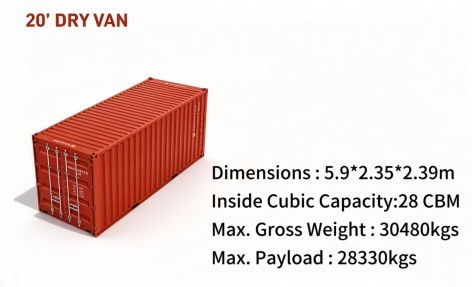
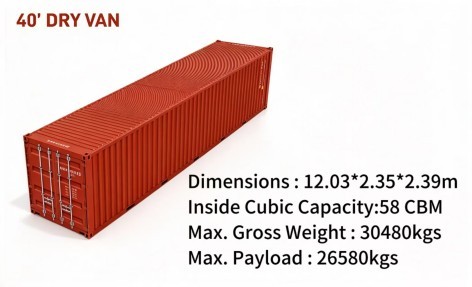
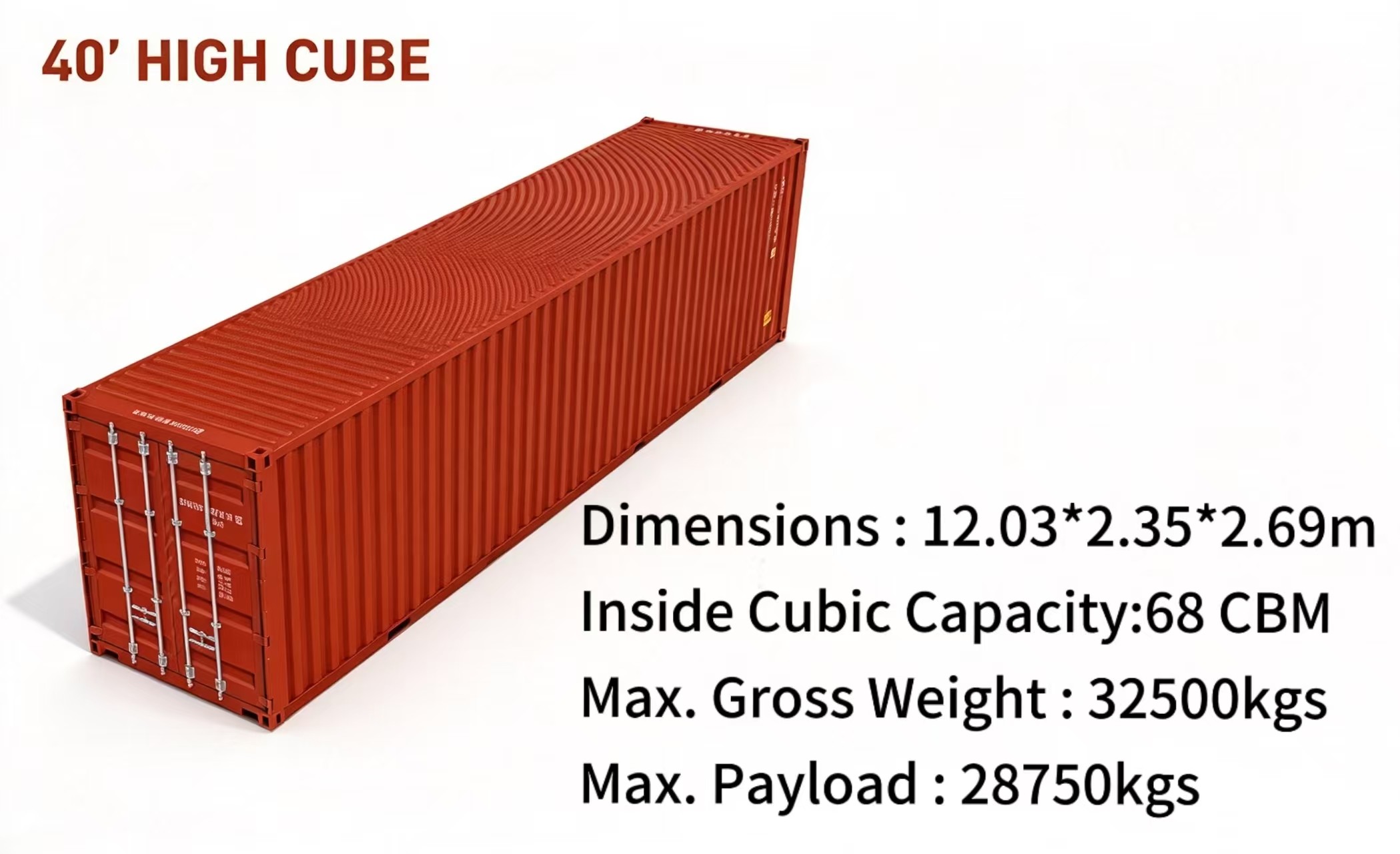
Important operational note: the actual dimensions and rated payload capacity of a container vary by manufacturer, container age and container owner. Before booking, request the measured specifications of the specific box from the carrier where necessary.
Operational practice note: the maximum gross weight shown on a 40HQ nameplate is 28.7 tonnes; in actual shipping practice it is advisable to keep the total weight within 26-27 tonnes to avoid overweight rejection at container pickup.
2. Cargo Suitable and Unsuitable for Standard Containers
Cargo Suitable for Carriage
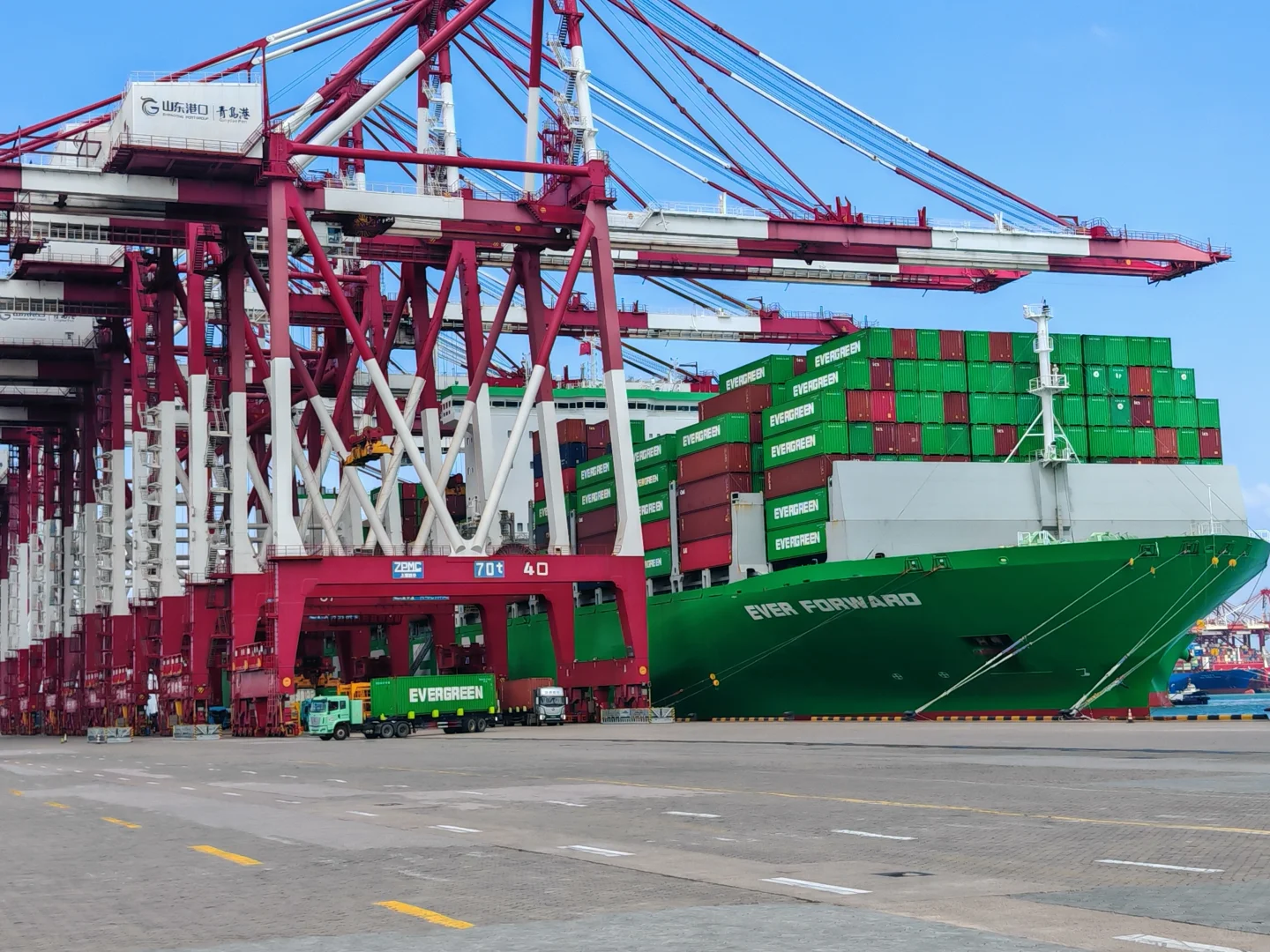
- General finished goods: furniture, household appliances, textiles and garments, daily-use general merchandise, hardware products, and non-hazardous general cargo.
- Batch shipments from industry and trade: factory finished products, components and spare parts, packaged goods, and palletised batch cargo.
- Cross-border project orders: complete export trade orders, large-volume e-commerce replenishment stock, and complete sets of small, regular project cargo.
Scenarios Where Standard FCL Is Not Recommended
- Oversized equipment and large steel structures that are too long, too wide or too high to fit inside a container (evaluate out-of-gauge (OOG) flat rack / open top containers or breakbulk vessels as a priority).
- Small cargo volumes (typically below about 15 CBM): compared with LCL consolidation, the overall cost of FCL offers no advantage.
- Dangerous goods: dedicated dangerous goods containers approved by the carrier must be used; standard dry containers are prohibited from carrying hazardous chemicals.
- Some small feeder ports have no direct container service and require multiple transhipments, which extends total transit time and generates transhipment surcharges.
3. Core Advantages of Standard Container FCL Shipping
Built on a standardised container system, FCL avoids the pain points of cargo mixing in consolidation and of tight space availability on ro-ro / breakbulk vessels, making it the preferred solution for exporting large volumes of regular cargo.
3.1 Independently Sealed Container Body for High Cargo Security
The full container is used by a single shipper and remains sealed throughout, with no co-loading with other shippers' cargo. This avoids the risks of mis-sorting, cross-contact damage and cross-contamination associated with co-loaded cargo, and provides better confidentiality and integrity of the goods.
3.2 Flexible Loading Methods for Multiple Shipping Scenarios
Cargo can be arranged freely inside the container according to its characteristics, supporting palletised, unpacked and carton loading formats. Loading can be carried out at the factory (factory loading) or after transport to a terminal warehouse, accommodating different factory dispatch conditions.
3.3 Mature Global Trade Lanes with Frequent Sailings
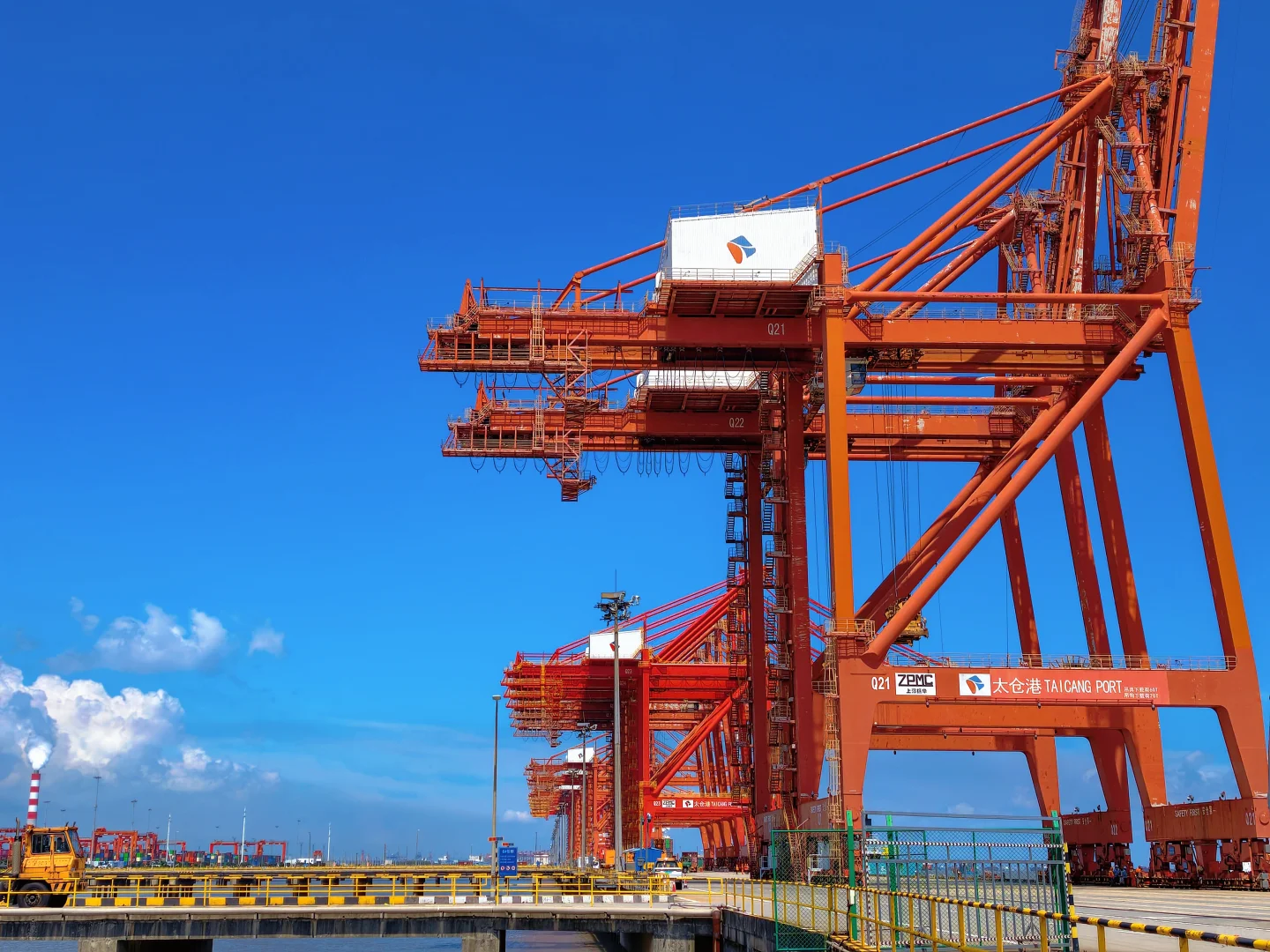
The vast majority of ports worldwide handle standard containers, and mainline services generally operate weekly or even with multiple sailings per week, offering abundant options. The transhipment support system is well developed, and overall transit time is predictable.
Note: some inland points and remote island countries have no direct service and require transhipment via a hub port, which increases transit time and transhipment-related costs.
3.4 Controllable Costs for Large-Volume Shipments
Once cargo volume reaches a certain scale, the ocean freight cost per unit of volume under FCL is more competitive, making it suitable for stable, high-volume export orders.
3.5 Compatible with a Complete Multimodal Transport Chain

Containers connect seamlessly with ocean freight, road haulage and rail transport, with no need for secondary handling of the cargo. Factory loading is supported, and after arrival at the port the container can be delivered directly by truck to the door, achieving a complete door-to-door multimodal movement.
4. Key Limitations and Inherent Operational Risks
Although FCL is highly versatile, it is also subject to objective constraints that should be understood before selection:
- Volume threshold constraint: when cargo volume is small (below 15 CBM), the overall cost of using a full container is higher than LCL consolidation, and the cost-performance ratio is poor.
- Container payload limit: in practice the total weight of a 40HQ is recommended to be kept at 26-27 tonnes; overweight can result in container pickup rejection at the terminal and additional overweight surcharges. Rated payload varies between container owners.
- Uncertainty from transhipment: remote ports of discharge without direct service require transhipment; transhipment ports incur additional handling time and costs, and the transhipment process carries the risk of container change and restowage.
- Risk of cargo damage inside the container: although the container exterior remains intact, securing and lashing inside the container is the responsibility of the shipper; if internal lashing and securing are inadequate, cargo collapse and damage can still occur during the voyage.
- Strict admittance rules for dangerous goods: standard dry containers are strictly prohibited from carrying dangerous goods; dangerous goods require a separate application for a dedicated dangerous goods container, and both the process and the cost increase.
5. Bloom Supply Chain Standard Container Logistics Services
A licensed NVOCC (MOC-NV09157), Bloom Supply Chain is a trusted global FCL logistics partner. We connect with the space allocation resources of leading carriers and bring extensive hands-on experience in FCL booking, loading supervision, in-container securing and a wide range of terminal operational challenges, delivering customised one-stop FCL logistics solutions to customers worldwide.
5.1 Extensive Global Container Network
We work closely with leading container carriers, covering mainline services from China to Southeast Asia, the Middle East, Europe, Africa and South America. We can secure stable space and handle standard dry containers, high cube containers and other equipment types, supporting both one-off FCL shipments and high-volume continuous bookings.
5.2 One-Stop End-to-End Logistics Services
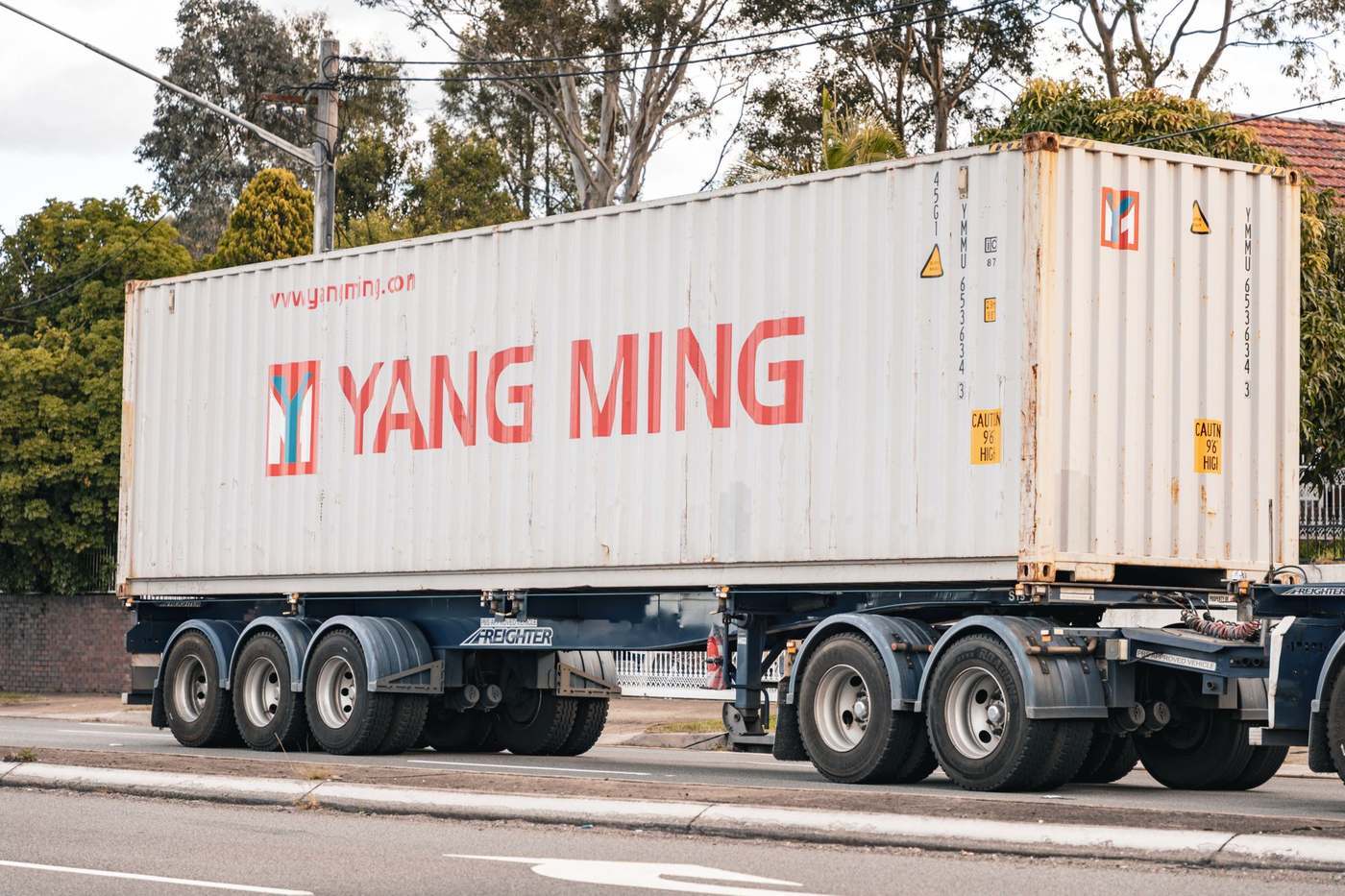
Bloom Supply Chain offers multiple delivery options: door-to-door, factory-to-port, port-to-port and port-to-door.
Services include: container trucking and pickup, factory loading / warehouse loading, pre-shipment inspection, in-container lashing and securing, customs declaration and inspection, ocean freight, coordination of customs clearance at the port of discharge, and final delivery.
Important note: arranging marine cargo insurance on behalf of the customer and obtaining special terminal entry approvals are value-added services and are not included in the base quotation by default.
5.3 Professional Loading, Securing and Risk Control
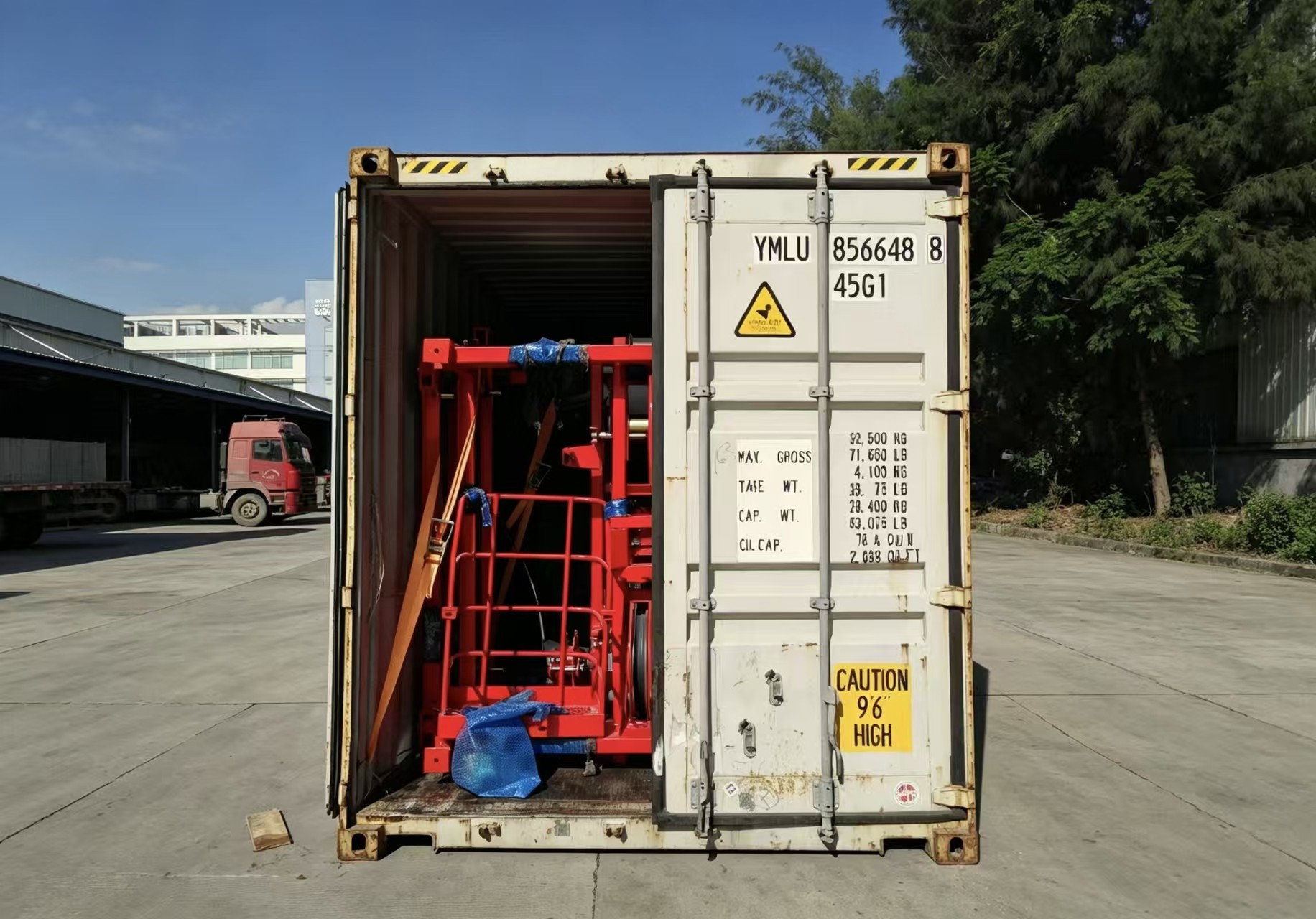
Our operations team is well versed in loading specifications for all types of cargo and in in-container lashing and securing requirements, and develops in-container fixation plans for heavy cargo and cargo prone to shifting, preventing collapse and damage during the ocean voyage. Marine cargo insurance can also be arranged as a value-added service to further enhance cargo security.
5.4 Customised FCL Solutions for Special Cargo
For heavy-lift cargo, palletised cargo, cargo requiring moisture protection, and semi-bulky cargo that must be dismantled before containerisation, Bloom Supply Chain develops dedicated transport plans and assists with equipment selection, supervision of factory loading and terminal entry approvals, resolving the export pain points of special cargo.
5.5 Transparent Pricing and Real-Time Cargo Tracking
We provide itemised all-in quotations that distinguish standard service items from optional value-added services, avoiding hidden charges and making it easier for customers to control project budgets.
Milestone updates on container pickup, loading, departure and arrival are synchronised throughout the shipment, and the project team responds quickly to all types of contingencies.
Standard FCL is a mature and economical ocean shipping solution for large volumes of regular cargo going overseas. Whether it is a small one-off FCL shipment or sustained high-volume container transport for a large project, Bloom Supply Chain will compare FCL / LCL / OOG against your cargo volume, cargo characteristics and schedule to help you select the most suitable solution.
Standard container shipping offers reliable, cost-effective cross-border transport for general goods, machinery and packaged project cargo.
As an NVOCC-qualified (MOC-NV09157) provider, Bloom Supply Chain delivers tailored standard container solutions for regular bulk consignments and full-load export shipments.
Contact Bloom Supply Chain for a free breakbulk consultation and quotation.